Today’s guest post comes from Fiza Bari, Senior Solutions Consultant and GTM Liaison at MMIT.
Fiza discusses the impending influx of biosimilars and its effect on manufacturers, specifically in the immunology space.
To learn more, sign up for MMIT’s Immunology Biosimilars webcast. It's a moderated discussion with payers on how the changing market might impact their management strategies in immunology.
Drug Channels delivers timely analysis and provocative opinions from Adam J. Fein, Ph.D., the country's foremost expert on pharmaceutical economics and the drug distribution system. Drug Channels reaches an engaged, loyal and growing audience of more than 100,000 subscribers and followers. Learn more...
Friday, January 28, 2022
Tuesday, January 25, 2022
Drug Channels News Roundup, January 2022: Insulin G2N Update; OptumRx “Data,” HDHPs, 340B Projections, and Fun with the CDC
Super Bowl LVI is on the horizon. Time for some blow-out beer commercials, occasionally interrupted by a football game. But who needs a Super Bowl party when you can tackle this month’s selection of notable news stories, intercepted for you from the Drug Channels gridiron:
P.S. Please join the nearly 13,300 fans who run after me at @DrugChannels on Twitter. You can also chase me on LinkedIn, where I have more than 23,000 followers. I kick off every day with links to neat stuff for you and no coin flips.
- Offsides: A shocking update about the gross-to-net bubble for insulin
- Trick Play: OptumRx trolls us
- Fumble: High-deductible health plans foul out with patients
- Offensive Lines: The 340B program’s unstoppable growth
P.S. Please join the nearly 13,300 fans who run after me at @DrugChannels on Twitter. You can also chase me on LinkedIn, where I have more than 23,000 followers. I kick off every day with links to neat stuff for you and no coin flips.
Labels:
Benefit Design,
Costs/Reimbursement,
Gross-to-Net Bubble,
PBMs
Friday, January 21, 2022
Four Big Implications for Patients and the Prescription Journey in 2022
Today’s guest post comes from Chris Dowd, Senior Vice President of Market Development at ConnectiveRx.
Chris discusses how COVID-19 is impacting stakeholders across the healthcare system, including patients, providers, pharmacies, and manufacturers.
On February 22nd at 1:00 pm ET, ConnectiveRx will host Four Big Implications for Patients and the Prescription Journey in 2022, a free webinar about the pandemic’s impact on key healthcare stakeholders.
Read on for Chris’ insights.
Chris discusses how COVID-19 is impacting stakeholders across the healthcare system, including patients, providers, pharmacies, and manufacturers.
On February 22nd at 1:00 pm ET, ConnectiveRx will host Four Big Implications for Patients and the Prescription Journey in 2022, a free webinar about the pandemic’s impact on key healthcare stakeholders.
Read on for Chris’ insights.
Labels:
Guest Post,
Sponsored Post
Wednesday, January 19, 2022
Five Takeaways from the Big Three PBMs’ 2022 Formulary Exclusions
For 2022, the three largest pharmacy benefit managers (PBMs)—Caremark (CVS Health), Express Scripts (Cigna), and OptumRx (United Health Group)— increased the number of drugs they excluded from their standard formularies.
Each exclusion list contains 400 to 500 products. Growth in the number of excluded drugs slowed, due partly to the fact that so many drugs have already been dropped from PBMs’ formularies.
Below, I highlight five observations about this year’s lists, including unexplainable differences in how PBMs handle specialty drugs, biosimilars, and insulin.
I also offer some thoughts on non-medical switching and what we still don’t know about how exclusions affect patients.
Let me know what you think by commenting below or on social media.

Each exclusion list contains 400 to 500 products. Growth in the number of excluded drugs slowed, due partly to the fact that so many drugs have already been dropped from PBMs’ formularies.
Below, I highlight five observations about this year’s lists, including unexplainable differences in how PBMs handle specialty drugs, biosimilars, and insulin.
I also offer some thoughts on non-medical switching and what we still don’t know about how exclusions affect patients.
Let me know what you think by commenting below or on social media.

Labels:
Benefit Design,
Biosimilars,
PBMs,
Specialty Drugs
Tuesday, January 18, 2022
NEW: The Drug Channels 2022 Video Webinar Series
Join Dr. Adam J. Fein, CEO of Drug Channels Institute (DCI), for three live video webinars during 2022. These live, interactive events will be broadcast via Zoom from the Drug Channels Video studio in beautiful downtown Philadelphia.
During these events, Dr. Fein will address the latest issues confronting the U.S. drug channel. Topics will be determined based on what’s happening—trends, policy changes, company announcements, and more. He’ll share DCI’s latest market data to help you stay on top of new developments. You will be able to use these events as both a capstone of your current learning and a touchpoint for the future.
The three events are scheduled for 12:00 p.m. to 1:30 p.m. ET on:
Read on for a video invite and full details on pricing, including substantial discounts for multiple sites.
During these events, Dr. Fein will address the latest issues confronting the U.S. drug channel. Topics will be determined based on what’s happening—trends, policy changes, company announcements, and more. He’ll share DCI’s latest market data to help you stay on top of new developments. You will be able to use these events as both a capstone of your current learning and a touchpoint for the future.
The three events are scheduled for 12:00 p.m. to 1:30 p.m. ET on:
- July 29, 2022
- December 16, 2022 (Drug Channels Outlook 2023)
Read on for a video invite and full details on pricing, including substantial discounts for multiple sites.
Labels:
Blog Administration,
Industry Trends,
Video
Friday, January 14, 2022
The 340B Rebate Model: A Solution to the Contract Pharmacy Controversy
Today’s guest post comes from Jeremy Docken, Founder and Chief Strategy Officer at Kalderos.
Jeremy describes Kalderos’ 340B rebate model. He discusses an independent research organization’s study of the 340B rebate model’s impact on covered entities’ cash flow.
To learn more, download the whitepaper: The Kalderos 340B Rebate Model In Action: Ensuring a Thriving and Sustainable 340B Program.
Read on for Jeremy’s insights.
Jeremy describes Kalderos’ 340B rebate model. He discusses an independent research organization’s study of the 340B rebate model’s impact on covered entities’ cash flow.
To learn more, download the whitepaper: The Kalderos 340B Rebate Model In Action: Ensuring a Thriving and Sustainable 340B Program.
Read on for Jeremy’s insights.
Labels:
Guest Post,
Sponsored Post
Tuesday, January 11, 2022
The Retail Pharmacy Outlook for 2022
As I have highlighted in previous posts, retail pharmacies are experiencing a period of intense competition that continues to pressure prescription profits. What's more, the pharmacy shakeout is accelerating, as smaller competitors exit and larger companies reduce store count.
In the video below, I provide a brief overview of key challenges facing retail pharmacy this year.
The video is excerpted from my Drug Channels Outlook 2022 video webinar. If you missed the live event, you can register to watch a replay.
Enjoy!
In the video below, I provide a brief overview of key challenges facing retail pharmacy this year.
The video is excerpted from my Drug Channels Outlook 2022 video webinar. If you missed the live event, you can register to watch a replay.
Enjoy!
Labels:
Industry Trends,
Mergers and Acquisitions,
Pharmacy,
Video
Monday, January 10, 2022
PCMA Business Forum
PCMA Business Forum
February 28 – March 1, 2022
JW Marriott Grande Lakes | Orlando, FL
Register Today!
www.pcma.com/businessforum
The PCMA Business Forum is PCMA's largest business networking and educational conference. PCMA’s PBM Members send a large number of executives from relevant business units including pharma and trade relations, specialty pharmacy, clinical and patient care services, and the c-suite. Dynamic conference activities for this two-day event include:
Contact PCMA
Please contact Kayla Firriolo (kfirriolo@pcmanet.org) with questions or to request further information.
The content of Sponsored Posts does not necessarily reflect the views of Pembroke Consulting, Inc., Drug Channels, or any of its employees. To find out how you can promote an event on Drug Channels, please contact Paula Fein (paula@drugchannels.net).
February 28 – March 1, 2022
JW Marriott Grande Lakes | Orlando, FL
Register Today!
www.pcma.com/businessforum
The PCMA Business Forum is PCMA's largest business networking and educational conference. PCMA’s PBM Members send a large number of executives from relevant business units including pharma and trade relations, specialty pharmacy, clinical and patient care services, and the c-suite. Dynamic conference activities for this two-day event include:
- 20+ timely and thought-provoking educational sessions featuring industry thought leaders. New for 2022, sessions will be broken out into three tracks:
- Strategic Insights – Our industries’ senior most thought leaders and decision makers (main stage sessions)
- Specialty Pharmacy insights and trends (breakout session track)
- Clinical and Patient Care collaboration (breakout session track)
- Pre-recorded PBM member company webinar briefings (for manufacturer registrants only)
- More than 15 hours of CPE sessions
- Dedicated time and private facilities for customer meetings
- Pre-conference networking through the virtual conference platform. The virtual platform includes a full attendee list, the ability to message and send meeting requests to other attendees, hotel maps and meeting room locations, and much more
Contact PCMA
Please contact Kayla Firriolo (kfirriolo@pcmanet.org) with questions or to request further information.
The content of Sponsored Posts does not necessarily reflect the views of Pembroke Consulting, Inc., Drug Channels, or any of its employees. To find out how you can promote an event on Drug Channels, please contact Paula Fein (paula@drugchannels.net).
Tuesday, January 04, 2022
Tales of the Unsurprised: Brand-Name Drug Prices Fell for the Fourth Consecutive Year
Reality has again failed to cooperate with the politically motivated cries of “skyrocketing drug prices” or anecdotes about companies “jacking up prices” (as President Biden recently claimed).
Brand-name drug prices continue to decline, while the prices of other healthcare products and services continue to rise. For 2021, brand-name drugs’ net prices dropped for the fourth consecutive year. Meanwhile, brand-name drug list prices grew more slowly than overall inflation. What’s more, we project that the gross-to-net bubble for patent-protected brand-name drugs will exceed $200 billion in 2021. See our updated analysis below.
The factors that drive declining brand-name drug prices remain for 2022, suggesting that these trends will continue.
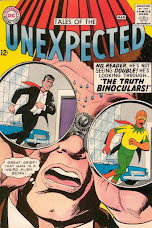
Pharmaceuticals account for less than 15% of U.S. healthcare spending—but absorb 99% of the political heat and attention. Let’s hope that this peek through the truth binoculars intrudes on any future legislative attempts to address drug pricing and the reimbursement system.
Brand-name drug prices continue to decline, while the prices of other healthcare products and services continue to rise. For 2021, brand-name drugs’ net prices dropped for the fourth consecutive year. Meanwhile, brand-name drug list prices grew more slowly than overall inflation. What’s more, we project that the gross-to-net bubble for patent-protected brand-name drugs will exceed $200 billion in 2021. See our updated analysis below.
The factors that drive declining brand-name drug prices remain for 2022, suggesting that these trends will continue.
Pharmaceuticals account for less than 15% of U.S. healthcare spending—but absorb 99% of the political heat and attention. Let’s hope that this peek through the truth binoculars intrudes on any future legislative attempts to address drug pricing and the reimbursement system.
Monday, December 20, 2021
Drug Channels News Roundup, December 2021: CAR-T Profits, UM Boom, Health Plans vs. Experts, Confused Physicians, and Health Insurance Explained
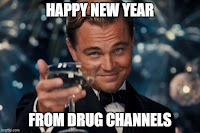
Happy New Year, everyone! We made it through a challenging 2021. Ring in 2022 with these noisemakers from the Drug Channels party bag:
P.S. Please join the more than 13,100 consumers of my daily commentary and links to neat stuff at @DrugChannels on Twitter. You can also find my daily posts on LinkedIn, where I have more than 22,000 followers.
- Hospitals earn incredible markups on CAR-T therapies
- Utilization management booms
- Health plans often ignore clinical guidelines
- Benefit designs flummox physicians
P.S. Please join the more than 13,100 consumers of my daily commentary and links to neat stuff at @DrugChannels on Twitter. You can also find my daily posts on LinkedIn, where I have more than 22,000 followers.
Friday, December 17, 2021
How and Why I Was Overcharged by Penn Medicine and My Blue Cross Health Plan: A True Story (rerun)
This week, I’m rerunning some popular posts while I prepare for today's live video webinar: Drug Channels Outlook 2022. See you soon!
Click here to see the original post and comments from September 2021.
Sometimes, a little knowledge can be a bad thing.
I want to share with you, dear reader, the strange but true tale of my recent foray into the wonderful world of hospital price transparency for routine lab services.
I discovered—with great effort—that the rates my health plan negotiated with the largest local health system in Philadelphia were greater than the self-pay, cash price. Ultimately, my baffling and unexpected out-of-network bill required me to pay more out-of-pocket than the total cash price.
This tale neatly summarizes why so many people hate our healthcare system—and why the average patient will have trouble benefiting from transparency regulations.
Click here to see the original post and comments from September 2021.
Sometimes, a little knowledge can be a bad thing.
I want to share with you, dear reader, the strange but true tale of my recent foray into the wonderful world of hospital price transparency for routine lab services.
I discovered—with great effort—that the rates my health plan negotiated with the largest local health system in Philadelphia were greater than the self-pay, cash price. Ultimately, my baffling and unexpected out-of-network bill required me to pay more out-of-pocket than the total cash price.
This tale neatly summarizes why so many people hate our healthcare system—and why the average patient will have trouble benefiting from transparency regulations.
Labels:
Benefit Design,
Costs/Reimbursement,
Hospitals
Thursday, December 16, 2021
How CVS Health Drives Cardinal Health’s Distribution Financials (rerun)
This week, I’m rerunning some popular posts while I prepare for tomorrow's live video webinar: Drug Channels Outlook 2022. Hope you can join me!
Click here to see the original post and comments from September 2021.
Cardinal Health recently released the annual report for its 2021 fiscal year, which ended on June 30. See the links below.
Today, I delve into the financials behind Cardinal’s relationship with its largest customer, CVS Health. In Cardinal’s 2021 fiscal year, CVS purchased more than $42 billion in pharmaceuticals from the wholesaler—about double the figure from 10 years ago. The new report also reveals that CVS Health’s payment terms with Cardinal give the wholesaler an often-overlooked cash flow benefit.
I also compare Cardinal’s relationship with CVS to McKesson’s relationship with CVS. The two wholesalers sell more than $90 billion in pharmaceuticals to CVS Health—making it the largest U.S. drug purchaser.
Like McKesson, however, Cardinal Health has discovered that CVS is its worst best friend.
Click here to see the original post and comments from September 2021.
Cardinal Health recently released the annual report for its 2021 fiscal year, which ended on June 30. See the links below.
Today, I delve into the financials behind Cardinal’s relationship with its largest customer, CVS Health. In Cardinal’s 2021 fiscal year, CVS purchased more than $42 billion in pharmaceuticals from the wholesaler—about double the figure from 10 years ago. The new report also reveals that CVS Health’s payment terms with Cardinal give the wholesaler an often-overlooked cash flow benefit.
I also compare Cardinal’s relationship with CVS to McKesson’s relationship with CVS. The two wholesalers sell more than $90 billion in pharmaceuticals to CVS Health—making it the largest U.S. drug purchaser.
Like McKesson, however, Cardinal Health has discovered that CVS is its worst best friend.
Labels:
Channel Management,
Pharmacy,
Wholesalers